This podcast looks at what’s really happening when solution-focused hypnotherapists tell clients about filling their stress bucket, bypassing their critical faculty, and becoming more aware of common things. The podcast is available on Spotify and at https://rss.com/podcasts/solutions/3199237/. It was created from an article I wrote using Gemini Notebook.
There are a lot of myths about food and what happens to it in your body. This podcast looks at: how cells generate energy; what happens to glucose, fructose, fats, and proteins in your body; metabolic syndrome; insulin; the brain's food supply; other regulators of appetite and metabolism; and more. This information can then be used to help weight-loss clients to understand what is happening in their body and what they can do to help achieve their personal weight goals.
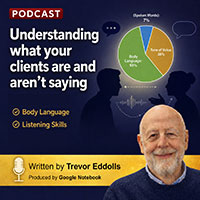
This podcast look at the techniques solution-focused hypnotherapists can use to ensure that they are listening to what their clients have to say including understanding their clients' body language.
This podcast look at the unexpected role mitochondria play in mental health, including the role they play in depression, stress, and the workings of the brain. It also looks at gender differences.
This podcast explores what is meant by neuroinflammation, and how solution-focused hypnotherapy can offer indirect benefits to support clients experiencing neuroinflammation.
Most people think that mental health is all in the mind — but is it? The latest research is looking at how the bacteria and other organisms in the body's microbiome can affect an individual's mental health.
It may seem surprising that there is any connection between solution-focused hypnotherapy and philosophy — and yet there are many. This podcast looks at some of those connections, including free will, the mind, ethics, self-reflection, and more.
Therapists are beginning to see more young people with emotionally-based school avoidance (EBSA). This podcast takes a look at what it is, what might have caused it, and how solution-focused hypnotherapy can help.
We often talk to clients about their unconscious or subconscious, but we never really define what we mean. This podcast looks at what we know about consciousness and the unconscious, and even considers where it might be located.
Content-free hypnotherapy is the name given to a successful way of working with clients who don't want to discuss their issues with their therapist for whatever reason.
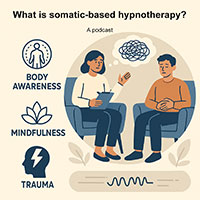
Somatic therapy assumes that people have feelings or emotions like anger, shame, and anxiety that, for various reasons, individuals aren't allowed to express. Including somatic ideas with solution-focused hypnotherapy can help where the usual cognitive approach isn't quite enough.
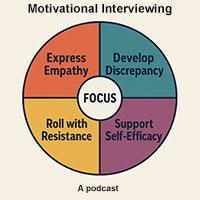
Motivational interviewing is a powerful, client-centred approach that helps people uncover their own reasons for change in a supportive, non-judgmental way, and seems to fit very well with the solution-focused way of working.
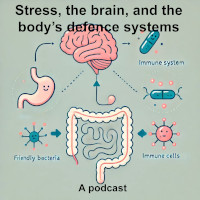
This podcast takes a look at how issues that we deal with as hypnotherapists are linked to the workings of the immune system and the digestive system's microbiome.
A look at stress and what happens in your body when you're stressed, including resilience, feeling overwhelmed, burnout, and stress-relieving techniques anyone can use.
This podcast looks at what positive psychology is, and a number of positive psychology techniques that can be used to make clients and others feel happier.
In this podcast, we take a look at some past hypnotherapists — although they may not have called themselves that — who have stood out from the crowd and what they did.
This podcast looks at the different types of grief and strategies people use to deal with bereavement, and how therapists and individuals can help someone dealing with the loss of a loved one.
This podcast looks at the vagus nerve — such a big nerve that goes all over the body and seems to affect so many things that ultimately affect how we feel and behave.
Irritable Bowel Syndrome (IBS) affects around 20% of the population. We look at the symptoms and solutions, focusing on how solution-focused hypnotherapy can help.
A look at the symptoms of depression, what's happening inside the brain of people with depression, the lack of neuroplasticity theory, the link between inflammation and depression, and how solution-focused hypnotherapy can help.
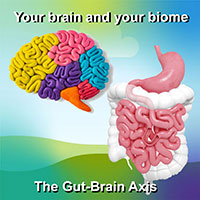
A look at the ways the gut microbiome affects the brain and the ways that the brain affects the GI tract housing the microbiome, including the gut-brain axis, types of organism in the biome, and their effects on weight, depression, and much else.
A look at how pain works in the body (including the pain gate theory), research into the effects of hypnotherapy on pain, and ways of helping clients experiencing pain.
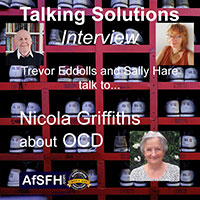
Nicola Griffiths shares her vast experience of dealing with Obsessive Compulsive Disorder (OCD). She explains what it is and isn't, how OCD impacts a person's (and their family's) life, and how solution-focused hypnotherapy can help.
Andy Workman has been a Solution-Focused Hypnotherapist for over 14 years. He's also a Supervisor, author, motivational speaker, and broadcaster. His book, Cavemen and Polar Bears, is prescribed reading on many Hypnotherapy courses, and he presents Professional Development workshops on PTSD.
We're talking about how the holiday season can be a little less sparkly than the adverts might suggest — with tips on overcoming the stresses of the season, and a destress relaxation at the end.
Adam Eason is a hypnotherapist, a lecturer on Bournemouth University's MSc Hypnosis in Research, Medicine, and Clinical Practice, and has his own weekly podcast called Hypnosis Weekly. He's also a founder member and Director of Education for the UK Hypnotherapy Council (UKHC).
Sophie Fletcher is a Hypnotherapist, trainer, coach, and author with a particular interest in women's health and wellbeing. Her books include Mindful Hypnobirthing, Mindful Momma, and Mindful Menopause.
Phil Harris works in community services with young people and those with complex needs, developing services, directing projects, training, and writing books and blogs. Hear about establishing the client's relationship with the problem, how naming emotions switches off emotional systems, and much more.
Susan Rodrigues is a senior lecturer in Bristol and Cardiff, Chair of the AfSFH, and Executive Director of the UK Confederation of Hypnotherapy Organisations. Stuart Taylor is also a senior lecturer for CPHT at Bristol and Cardiff.
Dr Chris Irons is one of the leading trainers and supervisors of Compassion Focused Therapy, and has worked with Paul Gilbert, the developer of Compassion Focused Therapy, since 1999.
Loretta Breuning is Professor Emerita of Management at California State University, and author of the internationally successful Habits of a Happy Brain. She has made it her life's work to share knowledge of our inner mammal.
Guy is a Solution Focused therapist, consultant, author, and trainer based in London. He has been one of the world's leading champions of the SF approach since first training in 1995, and has written Solution-Focused Practice: Effective Communication to Facilitate Change.
A look at sleep, insomnia, and how solution-focused hypnotherapy can help people get some all-important sleep. There's also a nice relaxation at the end of the podcast.